

LEARN MORE ABOUT
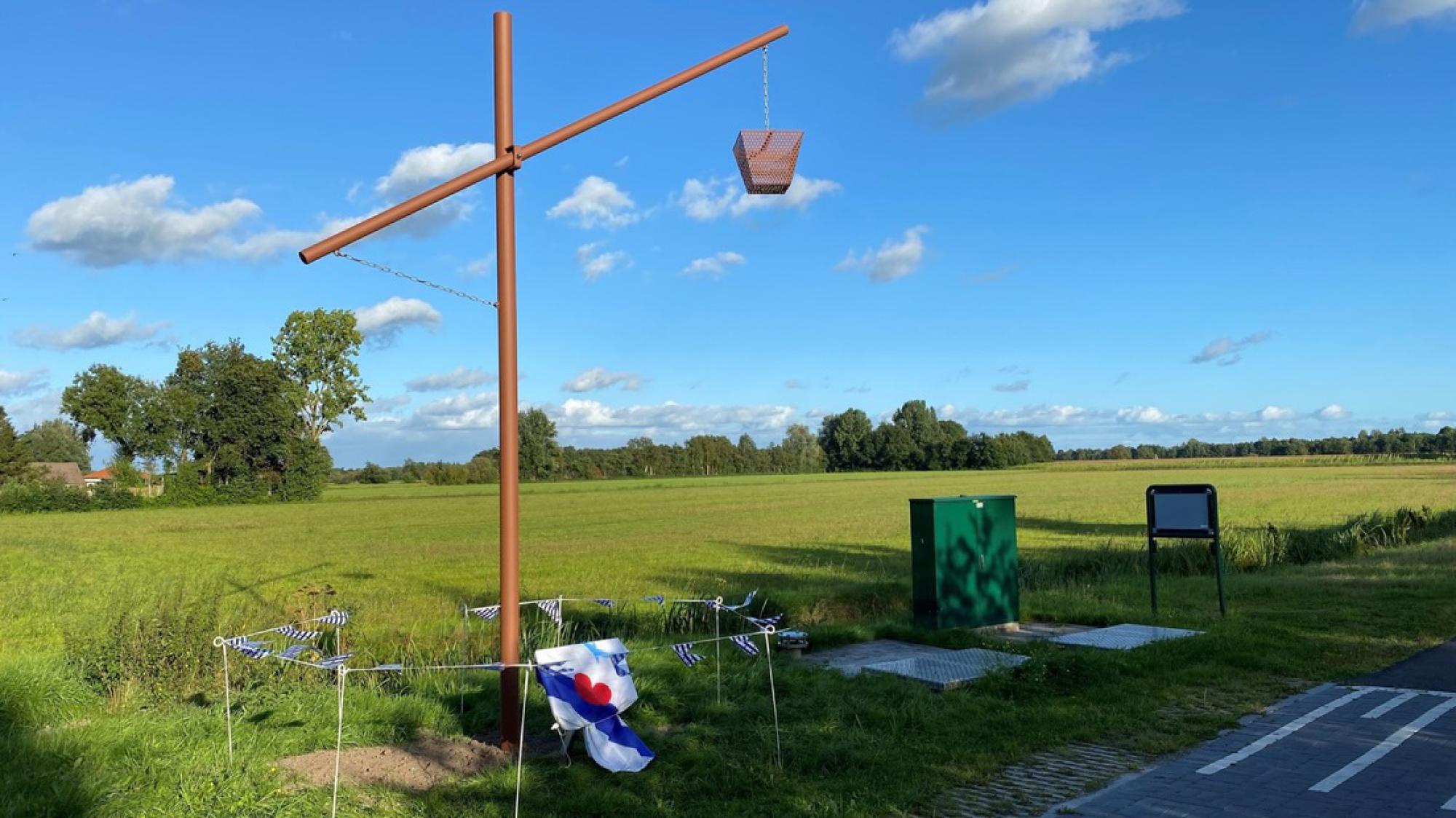
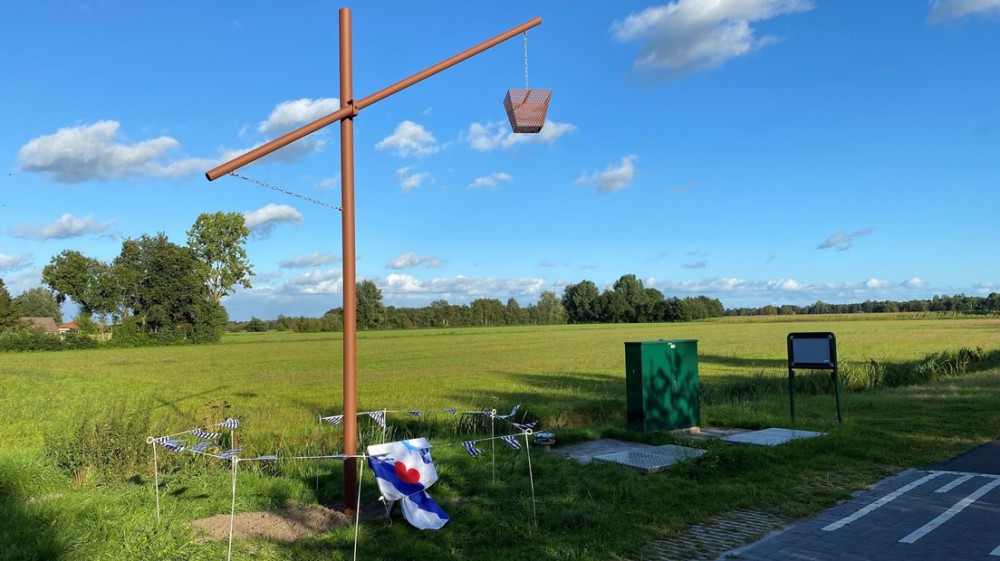
#The Laweij is the symbol of the oppression of the peat workers. A Laweij was used to indicate the working hours of the peat workers. The Laweij was a tall pole with a pivot point to which a cross pole with a basket was attached. When the Laweij pointed downwards, work had to be uninterrupted. Breaks and the end of the working day were indicated by pulling up the Laweij. The use of the Laweij was stipulated in the hated Laweij contract, under which the peat workers were put to work. In 1876, the use of the Laweij was abolished. However, the Laweij contract remained in place, leading to major strikes and revolt. Resistance to the peat bog bosses was broken by brute force, through deployment of police and soldiers. Striking in the peatlands was also known as "bollejagen". This word is derived from the old Frisian word "Bolje" meaning "rebellious" or riotous".